other
  • How to Choose the Right Paper Hanger Manufacturer: 5 Key Factors
    How to Choose the Right Paper Hanger Manufacturer: 5 Key Factors
    Sep, 15 2026
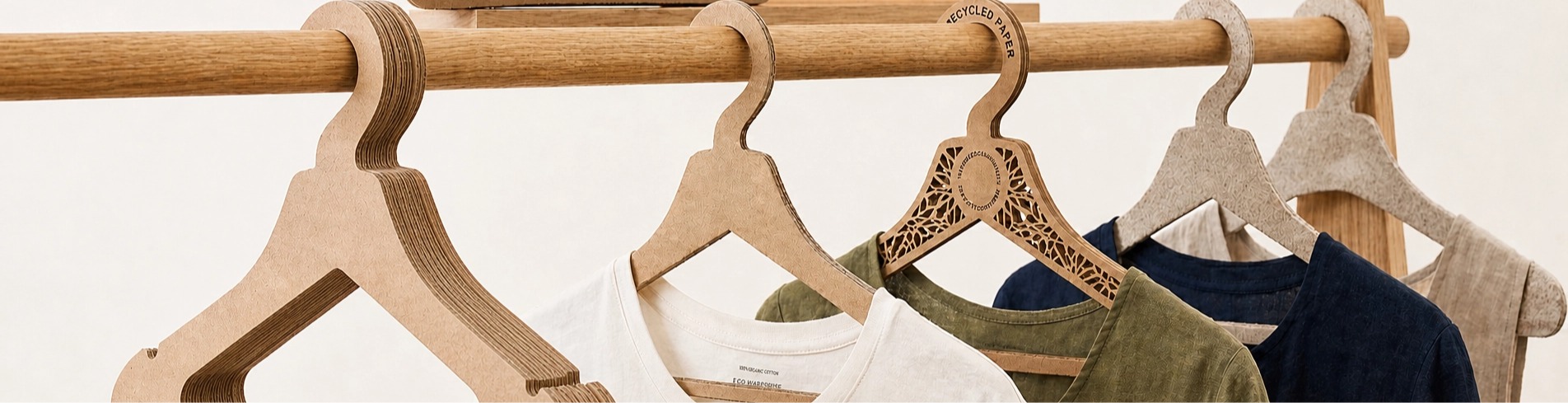
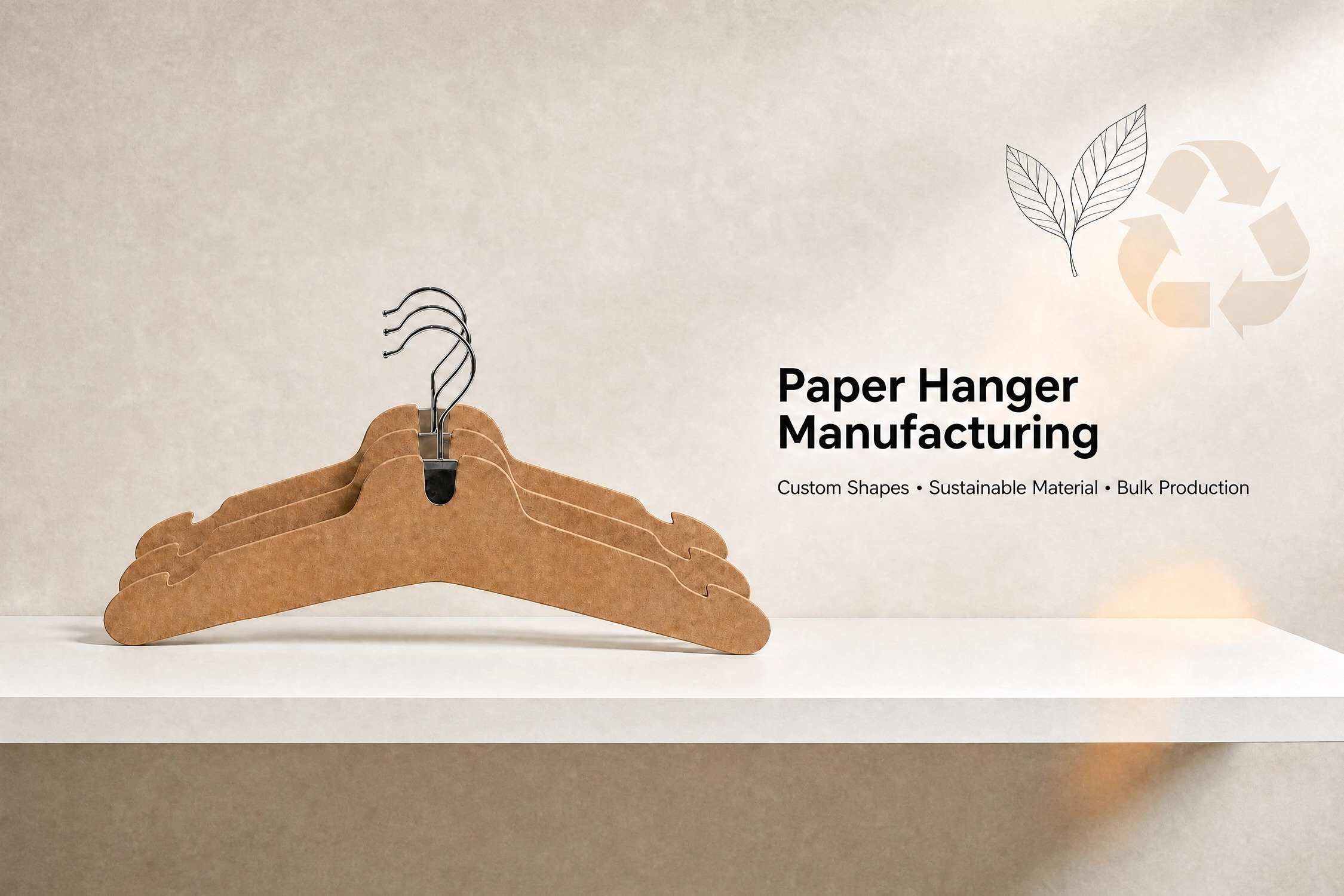
      Why the Right Partner Matters There is no shortage of companies offering paper hangers, and that is part of the problem. A quote is easy to find; a manufacturing partner who can hold quality and delivery over multiple orders is not. The real differences show up later — in batch consistency, documentation, and how a supplier responds when something goes wrong. Runhee has manufactured paper hangers since 2010 and delivered over 1.2 billion pieces to brands and retailers worldwide. That scale only works if the underlying process is stable. Below are five factors that separate factories worth building a program around from those that only look good in a first sample.     1. Factory Ownership and Production Infrastructure Start by confirming whether the supplier controls its own factory or operates as an intermediary. A manufacturer with in-house die-cutting, laminating, and printing gives the buyer direct influence over quality and schedule. A trading company adds distance, cost, and slower problem-solving. Runhee operates its own die-cutting, printing, and testing facilities in Dongguan, with a material library covering kraft, white coated, and black coated paperboard. Buyers are welcome to request factory footage or a live video walkthrough. A genuine operation will accommodate that request without hesitation. A supplier that avoids it is telling you something.     2. Certification and Compliance Standing FSC and GRS are the two documents most retail buyers expect to see. FSC covers responsible sourcing of the paperboard. GRS addresses recycled content and production practices. Without both, a supplier is effectively blocked from many European and North American buying programs — and so is any brand sourcing through that supplier. With major retailers like Primark committing to eliminate single-use plastic by 2027, certified paper hangers are moving from a preference to a procurement requirement. Runhee holds FSC, GRS, BSCI, SEDEX, ISO9001, and OEKO-TEX certifications. These are not just badges on a website — they are the documents retail compliance teams ask for during supplier audits. A factory that cannot produce them will slow down your entire qualification process.     3. Design Range and Customization Capability Paper hangers cover far more variety than they first appear to. A scarf hanger, a children's hanger, and a trouser hanger each require a different structure and thickness. A capable supplier should offer both standard formats and custom development from design files. Surface options should include offset print, UV coating, embossing, hot stamping, and laser engraving. The wider the in-house capability, the less the buyer has to manage externally. This is one area where working with an established manufacturer makes a practical difference. Runhee develops hangers by garment type, with different board weights, shoulder angles, and end details for each category. For brands launching multiple product lines, this means one supplier can cover the full range instead of splitting orders across several factories.     4. Quality Verification and Testing Processes Because paper hanger performance depends on material density and production control, testing should be standard practice. Load strength, moisture tolerance, and print accuracy all need batch-by-batch verification, not assumption. A factory with internal testing and report capability is a safer long-term option — especially for children's hangers, where product failure carries brand risk. Runhee uses compressed multi-layer recycled board and tests every design in-house before release. That testing discipline is what keeps batch consistency stable across repeat orders.     5. MOQ Structure, Pricing Transparency, and Lead Time Reliability MOQ is shaped by tooling and finishing. Standard shapes with existing tooling can start lower. New structures require custom die-cutting, which increases setup cost and often raises the first order minimum. At Runhee, typical MOQs range from a few thousand to tens of thousands of pieces. To support both mass-market brands and smaller sellers, we also offer very low MOQs on trial orders, starting from 500 pieces. Sampling is free of charge when no printing is required; if printing is involved, the sample fee is typically around $30–$50, depending on the artwork. Lead times should be confirmed in writing, based on current production load, not on general estimates. Buyers who understand the full development path ask better questions and avoid the delays that come from unclear expectations. One advantage of paper hangers over plastic is the tooling itself. Plastic hangers require injection molds, which can cost thousands of dollars per shape. Paper hangers use cutting dies instead, so custom profiles can be developed faster and at lower cost. This makes it easier for brands to iterate on design without being locked into one fixed format.   A Practical Next Step Choosing a manufacturer is not only about comparing quotes. It is about confirming factory ownership, certification, customization depth, testing discipline, and commercial flexibility. Those five factors determine whether a paper hanger program runs smoothly over multiple seasons, or creates problems that only appear after the first order ships. For a closer look at how paper hangers perform against plastic in real retail use, read: Paper Hangers vs Plastic Hangers: A Complete Comparison for Retailers.   related products: FSC Kraft Paper Underwear Hanger Wave Claw Custom GRS Recycled Plastic Hangers Wholesale OEM  
  • Paper Hangers vs Plastic Hangers: A Complete Comparison for Retailers
    Paper Hangers vs Plastic Hangers: A Complete Comparison for Retailers
    Aug, 07 2026
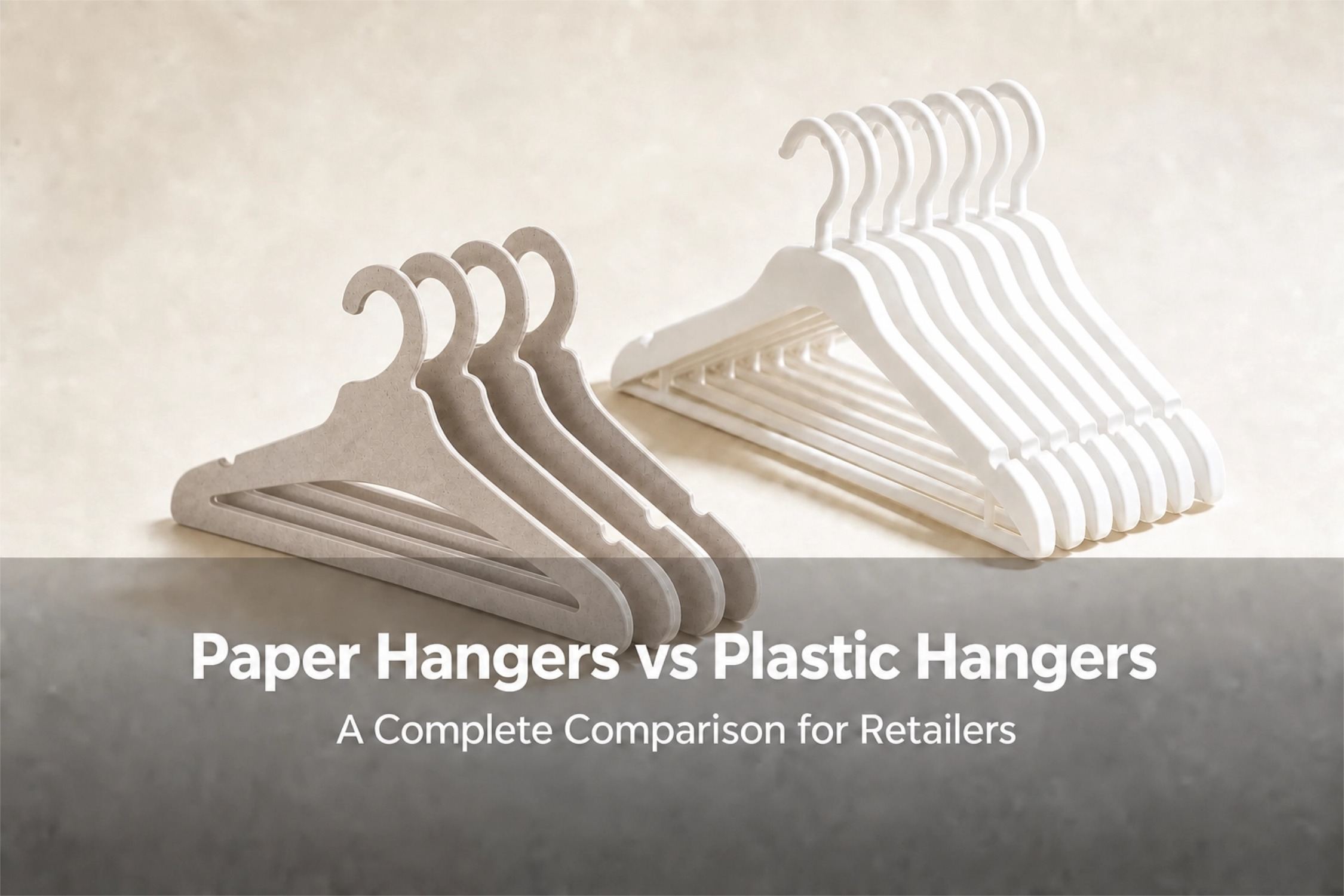
      The environmental impact of plastic Plastic hangers became the retail standard because they are cheap to mass-produce and easy to source in large volumes. That convenience, however, comes with a long-term problem: most plastic hangers are used once and then discarded, and because they are made from mixed polymer materials, they rarely enter mainstream recycling streams. Globally, millions of plastic hangers move through retail stores every season, but only a small fraction are ever recovered or reused. The result is a continuous flow of single-use plastic leaving the retail sector, with limited end-of-life value. Paper hangers offer a different model. Runhee manufactures hangers from recycled paperboard — the same material used across our paper hangers, paper hooks, and display products. We use compressed, multi-layer recycled board, which is strong enough for everyday retail handling while remaining fully recyclable. Because the material is renewable, widely recyclable, and single-material in design, it gives retailers a cleaner end-of-life story. Store teams do not need to separate plastic parts, remove metal hooks, or arrange specialist collection. The hanger can simply follow standard paper and cardboard recycling routes. This is not only a material change. It is a shift in how retail display products are planned, used, and disposed of. Every Runhee hanger is developed by garment type and tested before release, which means the product is not just a sustainable alternative — it is also built to perform under real store conditions. For brands under increasing pressure to reduce plastic across the entire store environment, paper hangers provide a practical replacement that works within existing recycling systems rather than against them.     Strength: The true performance of engineered board The issue that retail teams are most concerned about is durability. Paper is often perceived as fragile, but this impression stems from lightweight packaging board rather than engineered board. Our hangers are made from compressed, multi-layered recycled cardboard, giving them the rigidity and structural stability required for day-to-day retail operations. Different types of clothing require different structures: hangers for children’s clothing, bras and trousers have all been developed independently, with variations in cardboard grammage, shoulder angles and end details. Each design undergoes internal testing before being launched onto the market. For knitwear, shirts, scarves, children’s clothing and socks, a well-designed paper hanger can fulfil its purpose without compromise.     Cost: Unit Price vs Long-Term Value When viewed solely in terms of unit price, plastic may still appear to be the cheaper option. However, more retailers now look beyond the purchase price and evaluate hangtag solutions across total cost, including disposal, regulatory risk, and brand positioning. This is where paper hangtags begin to close the gap. Because Runhee produces hangtags from recycled paperboard using die-cutting rather than injection moulding, custom shapes do not carry the high upfront tooling cost that plastic alternatives require. The difference is especially clear for brands that change designs frequently or want dedicated structures for different garment categories. There is also a logistics advantage. Paper hangtags are flat-packed and lightweight, which reduces carton volume and lowers freight cost per unit. In large-scale retail programs, where hangtags are ordered in large quantities across multiple regions, this saving becomes significant. At the same time, paper hangtags offer the same practical function as plastic versions — they carry branding, size, and product information while remaining easy to handle at store level. From a regulatory perspective, the movement is already underway. In several European markets, where restrictions on single-use plastic continue to tighten, paper hangtags are shifting from a premium alternative to the standard specification. For brands planning long-term retail programs, this means paper is no longer only an environmental statement. It is becoming the safer, more consistent choice for supply chain planning and compliance.     Presentation: A More Considered Retail Experience Paper hangers also support a more intentional store presentation. A well-finished paperboard hanger can carry a brand's logo, color, and graphic identity in a way that reinforces the wider retail environment. Plastic hangers are functional but visually neutral. For brands that invest in store experience and customer perception, printed paper hangers become a small but effective part of the brand story. This is one reason paper hangers are increasingly specified not only as a plastic replacement, but as a branding surface in their own right.     The Market Is Already Moving The direction of the industry is clear. Retail groups are steadily adopting paper as the base material for lightweight apparel presentation, and plastic restrictions continue to expand across key markets. Runhee alone has supplied more than 1.2 billion paper hangers to brands and retailers worldwide — a sign that paper hangers are already operating at commercial scale, not as a niche trial. For brands still running plastic hanger programs, the question is no longer whether paper can perform — it is how quickly the transition can be made with confidence. The brands that move early will have more control over design, cost, and supply.      

leave a message

leave a message
If you are interested in our products and want to know more details,please leave a message here,we will reply you as soon as we can.

Home

Products

whatsApp

Contact

Start a Conversation

Hi! Click one of our members below to chat on